How We Decide When You Need a Crown (And When You Don't)
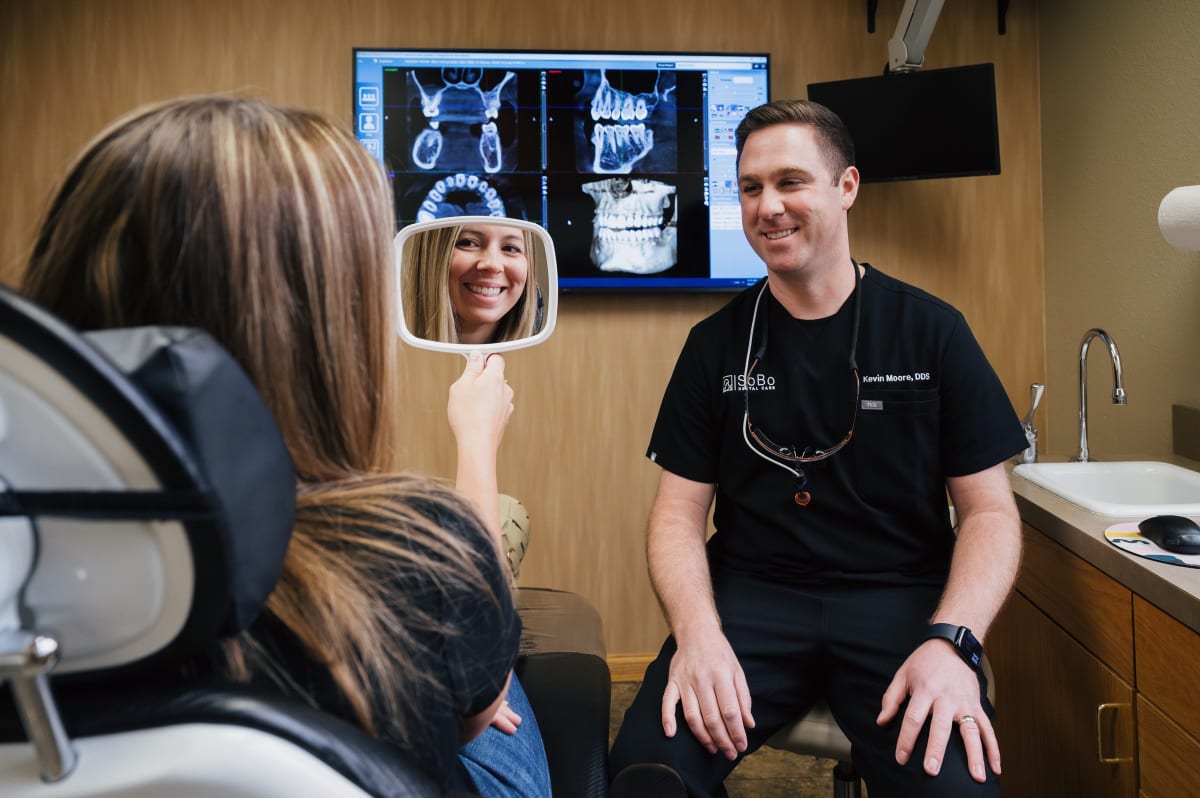
When a Dentist Says "You Need a Crown," How Do You Know It's The Right Call?
It's a fair question. A crown is a permanent change to a tooth and a real expense, and the recommendation often arrives after a quick look at an X-ray you can't read. You have every right to understand exactly why one is being recommended before you say yes.
At SoBo Dental Care, Dr. Kevin and our team use a clear set of clinical criteria to decide when a crown is the right call and when a simpler fix, or no treatment at all, is the better answer. This article walks through those criteria, what we look for during an exam, and the cases where we'd recommend doing less.
If you're sitting on a recommendation you're unsure about, we're happy to take an independent look. Call us at (303) 666-5080.
What Crowns Actually Do
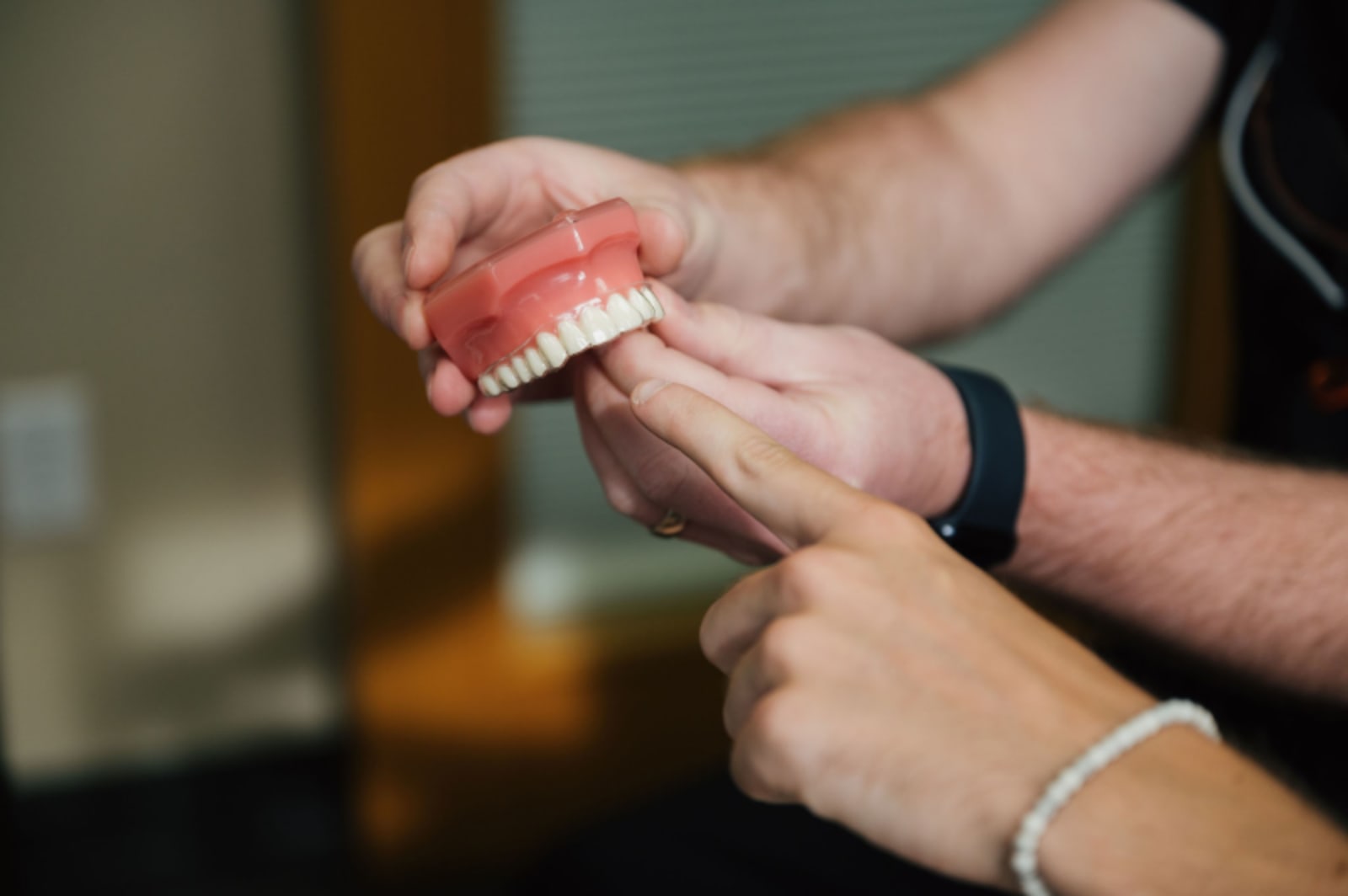
- A crown protects a tooth that has lost too much structure or has compromised remaining tooth structure.
- Every crown recommendation should come with a clear reason: a crack, decay, or an X-ray you can actually see.
- Many teeth don't need crowns. Small cracks and aging fillings often call for monitoring or a simpler repair.
Four Things We Actually Look for Before Recommending a Crown
The real question is never "would this tooth look better with a crown?" It's "is there enough healthy tooth left to support a smaller repair?" Four situations say no.
1. A Filling That Has Outgrown the Tooth
Fillings rely on the surrounding tooth walls to stay in place. When a filling has been replaced and enlarged over the years, those walls get thin. At that point, a crown covers the whole tooth rather than putting all the pressure on a weakened structure.
2. A Crack That Runs Into the Tooth
Surface cracks are common and usually harmless. What matters is depth and direction. A crack that travels into the body of the tooth gets worse with every bite. Caught early, a crown holds it together and stops it from spreading. Left too long, it can reach the nerve or split the root entirely.
3. Decay Deep Enough That There Is Nothing Left to Grip
Fillings bond to healthy tooth structure. When decay has removed too much of it, a filling simply won't hold. How much solid tooth remains after cleaning out the decay determines the answer, which is why we sometimes won't know for certain until we're in there.
4. A Tooth That Just Had a Root Canal
A root canal removes the nerve, leaving the tooth drier and more brittle than before. Back teeth, which take the most chewing force, almost always need a crown afterward. Front teeth with intact structure are sometimes an exception.
All four of these are visible on an X-ray, under a light, or in a scan. A crown recommendation should come with something you can see, not just a number on a treatment plan.
What We Look at Before We Ever Mention a Crown
Getting to the right answer takes more than a quick glance. A lot of practices move fast from "this tooth has a problem" to "here's the fix." Our doctors have pursued advanced study at the Kois Center and Spear Education, both focused on careful risk assessment and conservative treatment planning. The question those programs train you to ask isn't whether a crown is technically possible. It's what does this tooth need to still be here in fifteen years, and can something smaller get you there.
A careful evaluation pulls from a few places at once:
- Digital X-rays and, when the case calls for it, 3D imaging. These show decay beneath existing fillings, bone levels, and the condition of the root, none of which you can see by looking in the mouth.
- A close look at the bite. Teeth don't usually break for no reason. Uneven forces, grinding, and a bite that loads one tooth harder than the others will crack a crowned tooth just as easily as an uncrowned one. If we don't address why a tooth failed, we're just buying time.
- A visual and hands-on exam. Crack lines, worn spots, flexing tooth walls, and early signs of breakdown that only show up with magnification and good light.
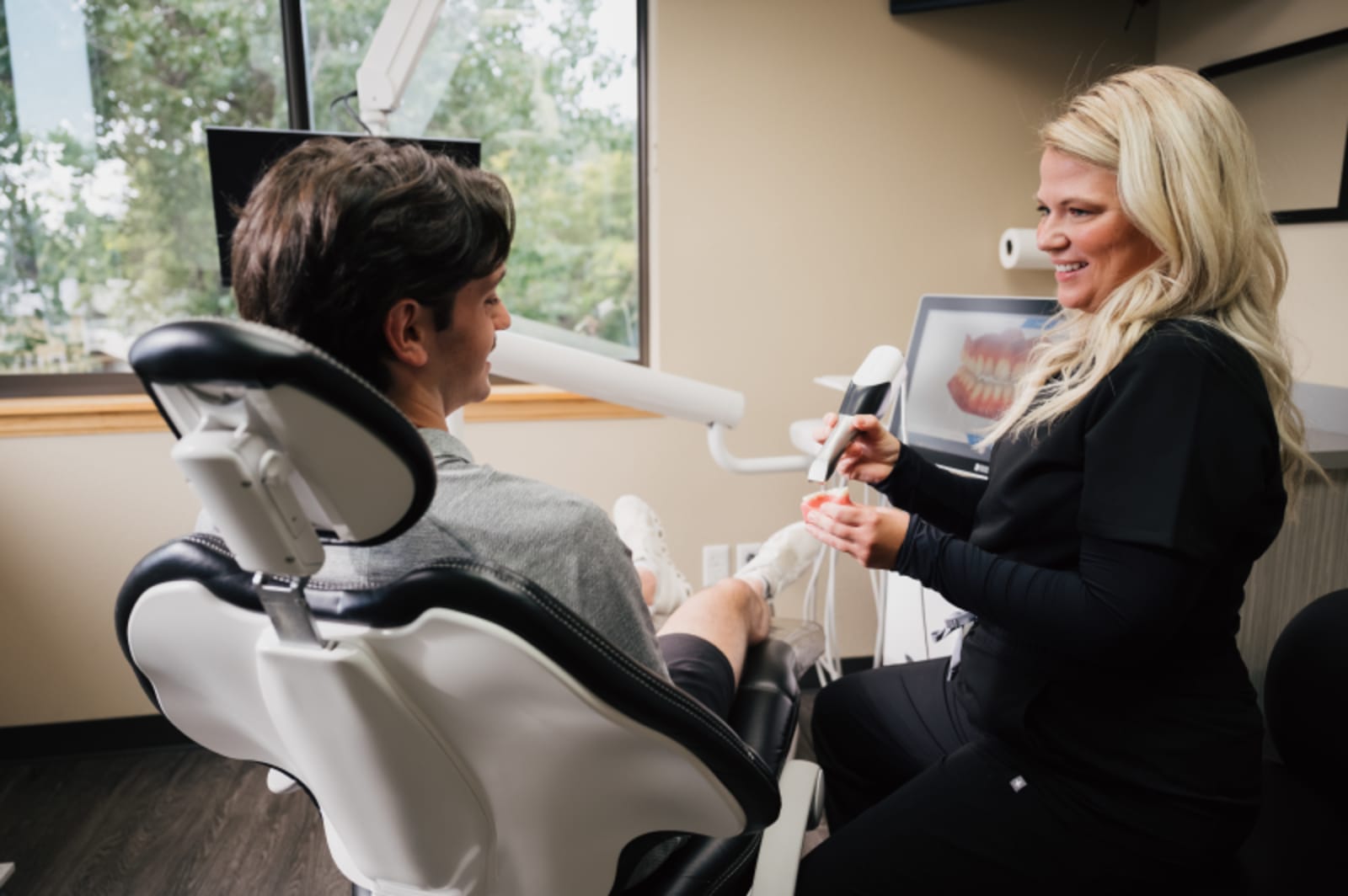
- Digital scans and photography. We scan rather than use traditional impression trays, and we put the images on a screen so you can see exactly what we're looking at.
That process takes longer than reading one X-ray and moving on. That's intentional. If a tooth has you worried, schedule an exam at our Louisville office or call (303) 666-5080.
Sometimes the Honest Answer Is Wait, or Do Less
Not every tooth problem needs a crown, and we think it's important to say that clearly. Here are the situations where a smaller step, or no step at all, is the right call.
A Shallow Crack or Craze Line
Surface cracks in enamel are common and frequently harmless. Depending on depth, location, and whether the tooth hurts when you bite down, the right move may be to photograph it, note it in your chart, and keep an eye on it at each visit.
An Old Filling That's Still Doing Its Job
Age alone isn't a reason to replace a filling. If the edges are intact, there's no decay underneath, and the surrounding tooth is solid, a filling that has lasted twenty years can keep working. Every replacement removes a little more tooth, so there has to be a better reason than "it's old."
Damage a Smaller Restoration Can Handle
There's real middle ground between a filling and a full crown. Onlays and inlays are custom ceramic pieces that cover only the damaged part of the tooth, protecting a weakened area while leaving the healthy structure around it untouched. Think of them as a precise patch rather than a full cap. With our in-office mill, we can design and place many of these in a single visit.
Wear That Needs Its Cause Addressed First
If your teeth are worn flat or chipping along the edges, crowning them without fixing what's causing the wear means the new crowns will wear or chip too. Sometimes the first step is a nightguard, a bite adjustment, or moving teeth into a better position before we talk about any restorations.
Bring Us the Recommendation. We'll Give You a Straight Answer.
If a recommendation doesn't sit right with you, getting another opinion is completely reasonable. A crown is a permanent change to a tooth you want to keep for life, and you deserve a clear explanation before committing to one.
A second-opinion visit here includes:
- A review of your existing X-rays, or fresh images taken with our 3D imaging and digital scanners if yours aren't current
- An independent exam, done before we look at the other office's findings
- A plain-language explanation of what we see, with the images on screen so you can follow along
- Time for your questions, with no pressure to decide anything that day
If we look at everything and agree the crown is the right call, we'll say so and encourage you to go back to the dentist who made it. What you won't get is a rushed look at your chart and a push to sign up for financing before you've had a chance to think.
Yes, Cost Is Part of the Decision
A dental estimate can be a real shock, especially if you're on a fixed income, have limited dental coverage, or are already juggling other expenses. That sticker shock is one of the most common reasons people put off treatment, and waiting is usually what turns a manageable crown into something more complicated. Knowing what's actually urgent makes a big difference. We'll tell you clearly whether a tooth needs attention soon or whether it's something we can keep an eye on, so you're not left guessing.
Larger treatment can often be broken into phases, each planned with the final result in mind, and we offer in-office financing to help make that work. We accept some insurance plans, and for any coverage you have, we'll walk you through what your benefits will and won't cover before anything starts.
Straight Answers to the Crown Questions Patients Actually Ask
Can I Get a Filling Instead of a Crown?
Sometimes, yes. It depends on how much healthy tooth structure remains. A filling bonds to solid tooth walls. When those walls are thin, cracked, or mostly gone, a large filling will likely fail and can take more of the tooth with it. We will show you exactly what we are seeing and explain why one option holds up better than the other for your specific situation.
What Happens If I Wait on a Crown?
It depends on the tooth. Some situations can be monitored safely. Others, like a deep fracture or a tooth that just had a root canal, need attention sooner because the tooth can split in a way that leaves no good repair options. If you notice a sharp jolt when you release a bite, cold sensitivity that lingers, a piece of tooth breaking off, or swelling in the gum, do not wait for your next scheduled visit. Call us and come in sooner.
Is a Same-Day Crown as Good as One Made in a Lab?
For most back teeth and single-tooth restorations, yes. We use CEREC technology to design and mill ceramic crowns right here in the office, so you leave with a permanent crown in one visit, no temporary, and no second appointment. For cosmetically demanding cases, particularly visible front teeth, we partner with a master ceramist. The extra time produces a result that is genuinely hard to distinguish from a natural tooth.
Will You Tell Me If I Don't Actually Need a Crown?
Yes, always. We do the evaluation first so we can give you an honest answer. If a filling, an onlay, or simply monitoring the tooth is the right call, that is what we will recommend. Our team would rather earn your trust with a conservative recommendation than place a crown you do not need.
What Should I Expect at a Crown Appointment?
For a same-day crown, we numb the tooth, remove any decay or old filling material, and take a digital scan. The crown is designed on screen and milled in the office while you wait. We check the fit and bite carefully before cementing it in place. Most patients are comfortable throughout and leave with a finished, permanent crown the same day. If your case calls for a lab-made crown, the process takes two visits with a temporary crown in between.
Ready for a Second Opinion or a Fresh Start?
Dr. Kevin has practiced in Louisville his whole career because this is his community. When you come in, you're not a chart number. You're a neighbor, and he treats you like one.
If you'd like to get to know us first, you can meet our doctors and team or browse the services we offer under one roof.
Call us at (303) 666-5080 or stop by the office at 225 W. South Boulder Rd. in Louisville. We'd love to meet you.
We can’t wait to meet you
Call 303-666-5080 or request an appointment online to set up your first visit. We’ll be in touch soon.