How Diabetes Affects Your Teeth and Gums

If you have diabetes, your mouth is more affected than most people realize. High blood sugar makes gum infections easier to develop and harder to clear up. And when gum disease takes hold, it makes blood sugar harder to control. The two conditions feed each other quietly, often for years, before anyone connects them. The good news is that breaking that cycle is possible, and your dental care is one of the most direct ways to do it.
Here you will find what this connection actually looks like day to day, which warning signs are worth paying attention to, and what your dental team needs to know to care for you well.
At SoBo Dental Care, we work with patients managing diabetes across Louisville and East Boulder County. If you want to talk through where your gum health stands, call us at (303) 666-5080 or request a visit online.
Five Things Worth Knowing If You Have Diabetes
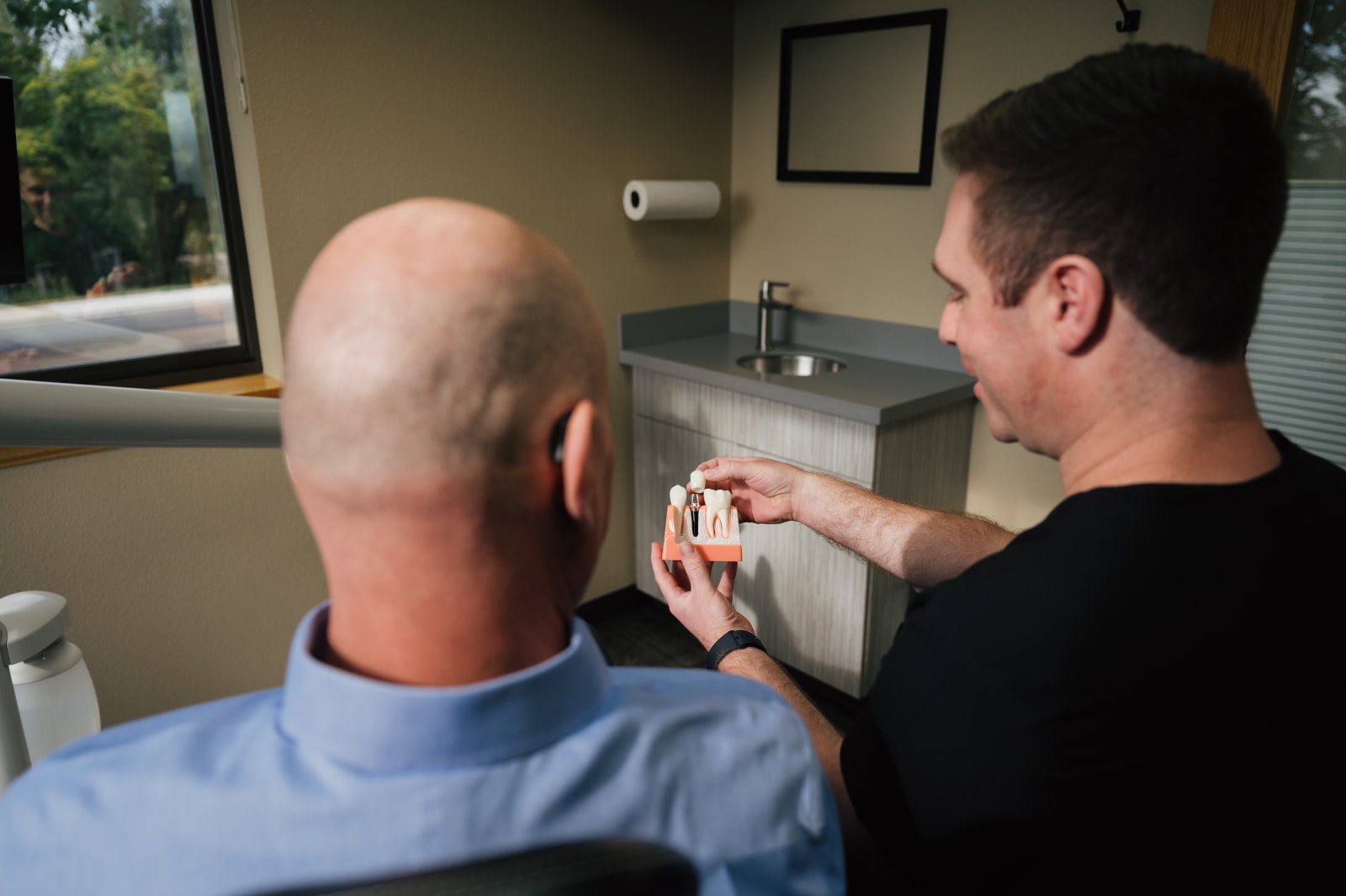
- Diabetes makes gum disease harder to fight. High blood sugar slows your immune response, giving bacteria the upper hand.
- The relationship runs both ways. Gum infection interferes with how your body uses insulin, which pushes blood sugar in the wrong direction.
- Early signs look ordinary. Bleeding gums, dry mouth, slow healing, and repeat infections are all worth mentioning at your next visit.
- Your details matter more than your diagnosis. Your current numbers, medications, and any recent changes help us build a plan around your actual health, not a generic one.
- Twice a year may not be enough. Depending on how your gums are doing, more frequent visits can make a real difference.
Two Problems That Make Each Other Worse
Your gums are naturally full of bacteria, and a healthy immune system keeps that in check. When blood sugar runs high over long stretches, that immune response weakens. Bacteria build up along and under the gumline, tissue becomes inflamed, and an infection your body would normally handle quietly takes hold. That is how diabetes makes gum disease easier to develop and harder to clear up.
The relationship also runs the other way. Inflamed gum tissue releases signals that make it harder for your body to use insulin, which pushes blood sugar in the wrong direction. Each condition quietly worsens the other, which is why gum disease belongs in the same conversation as your A1C and medications, not in a separate category called dental. Treating it is one of the most direct things you can do for both.
How Diabetes Shows Up in Your Mouth
Diabetes doesn't just affect your blood sugar. It changes how your mouth defends itself, how your gums respond to bacteria, and how quickly your body heals after any dental procedure. These are the signs worth knowing.
- Dry mouth that won't go away. Diabetes and some diabetes medications reduce saliva flow. Without that natural rinse, bacteria linger longer and cavity and gum risk both go up.
- Gums that bleed, swell, or pull away. Healthy gums don't bleed when you brush. In people with diabetes, gum inflammation tends to move faster and can reach the supporting bone before it ever causes pain.
- Slower healing after procedures. Reduced circulation and a weaker immune response mean tissue takes longer to repair, which raises discomfort and infection risk during recovery.
- Repeat fungal or bacterial infections. Oral thrush, which shows up as white patches or soreness, is more common when blood sugar runs high or saliva is low. Gum abscesses can also develop quickly and spread.
- Taste changes or sores that linger. A metallic taste or minor irritations that last weeks instead of days are worth mentioning, not writing off.
Any of these can show up before a formal diagnosis or alongside one you already have. If something on this list sounds familiar, bring it up at your next visit so we can take a closer look.
The Health Details That Actually Change Your Care

Writing "diabetes" on a health history form is a start, but it tells us less than you might think. Type 1 and type 2 behave differently, and a well-managed case looks very different from a poorly controlled one once treatment begins.
Where Your Control Currently Stands
Your most recent A1C tells us how well your body can heal and fight infection. If a procedure is planned and your numbers have been unpredictable lately, say so.
Your Full Medication List, Including the Over-the-Counter Ones
Some diabetes medications reduce saliva, raising your risk for cavities and gum problems. Blood thinners affect bleeding, and supplements can matter too. Bring the actual list rather than trying to recall it at the front desk.
Anything That Changed Since Your Last Visit
A new diagnosis, a dosage change, or a period where control slipped can shape timing and treatment decisions. When in doubt, share it.
What You Ate on the Day of a Longer Appointment
Low blood sugar during a longer procedure is a real concern. Let us know when you last ate and whether you took your medication. A same-day crown, for example, can often be finished in one visit, which helps keep appointment time manageable.
Who Else Is on Your Care Team
If your physician or endocrinologist has thoughts on treatment timing, let us know before your visit so we can coordinate care in the right order.
Treating Your Gums Is Part of Managing Diabetes
Gum treatment for patients with diabetes goes beyond a standard cleaning. We measure the pockets between your teeth and gums to find where infection is hiding, clean below the gumline to remove buildup that brushing can't reach, and monitor how your tissue heals in the weeks after. Clearing that bacteria reduces the inflammation that makes blood sugar harder to control, and keeping it from coming back is where your home care routine becomes part of the plan.
Because we handle gum therapy, extractions, implants, and restorative work in one place, we can keep your overall health in mind at every step, not just the tooth we happen to be treating. If you are not sure where to start, call our Louisville office at (303) 666-5080 and we will help you figure out the right next step.
Twice a Year May Not Cut It With Diabetes
The standard twice-a-year schedule works for many people, but diabetes changes things. How often you should come in depends on how well your blood sugar is controlled, what your gums look like right now, and whether you have had gum treatment in the past.
For some patients, three or four visits a year make a real difference, especially right after active gum treatment when keeping bacteria from coming back is the priority. Others do fine on a standard schedule once things are stable. You and your dental team figure that out together based on what your gums are actually doing.
Questions Patients With Diabetes Actually Ask Us
Can Treating My Gum Disease Actually Improve My Blood Sugar?
It can help. Reducing gum inflammation takes away one real barrier to insulin doing its job. Periodontal treatment is not a substitute for medication or your physician's plan, but getting that infection under control is a meaningful part of the bigger picture.
I Have Prediabetes, Not a Full Diagnosis. Does This Still Apply?
Yes. The same relationship between blood sugar and gum health exists at every stage. Mention prediabetes at your visit and take it just as seriously as a full diagnosis.
Should I Reschedule if My Blood Sugar Has Been Hard to Control?
For a routine cleaning, usually not. For surgery or an extraction, timing matters more. Let us know before your appointment and we will work out the right plan together.
Does Diabetes Mean I Cannot Get Dental Implants?
Not automatically. Well-controlled blood sugar is the key factor in how well an implant bonds with the bone. We coordinate with your physician on timing when needed, so it is a question of how and when, not a flat no.
What Should I Tell My Dentist at My First Visit?
Bring your current A1C, your full medication list, and any recent changes to your health or treatment. The more your dental team knows about how your diabetes is managed, the better they can plan your care and support your healing.
We Treat the Whole Person, Not Just the Tooth

Managing diabetes already asks a lot. Monitoring, medications, appointments, adjustments. Dental care shouldn't feel like one more obligation on top of all that. It should feel like one more thing working in your favor.
At SoBo Dental Care, we look at the whole person, not just the tooth in front of us. Share what's going on with your health, bring your questions, and we'll take it from there. If you'd like to talk through where your gum health stands, meet the team or call our Louisville office at (303) 666-5080. We can't wait to meet you.
We can’t wait to meet you
Call 303-666-5080 or request an appointment online to set up your first visit. We’ll be in touch soon.